
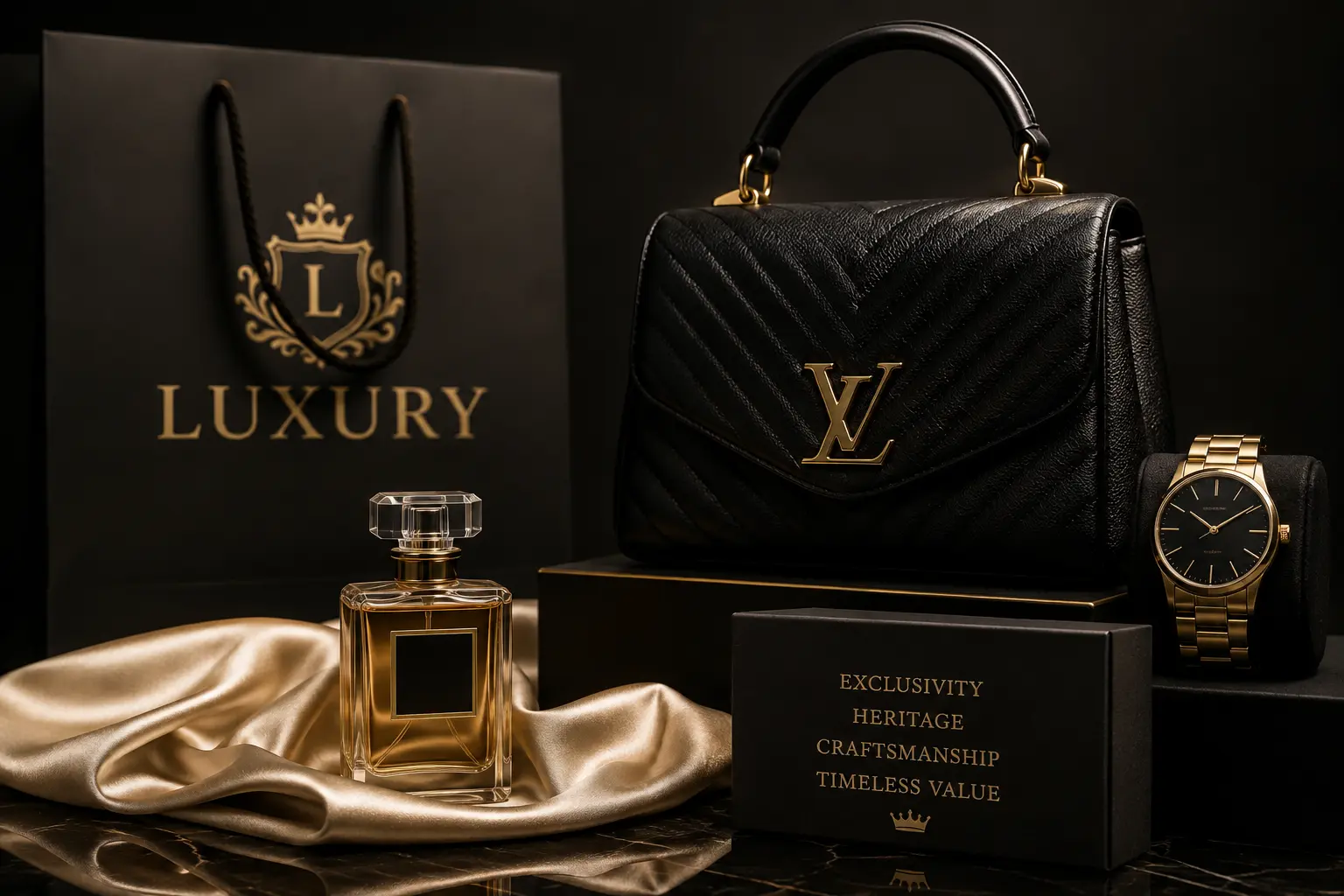
Any brand can cut its price. Luxury brands have worked out that doing so costs more than it saves. The moment a premium label runs a sale, the story behind it starts to unravel. Price isn’t just a number here. It’s load-bearing.
Price As A Signal, Not A Barrier
Most markets assume lower prices attract more buyers. Luxury runs on different logic. A price that feels too accessible triggers doubt rather than desire. The buyer wonders what changed, whether the crowd that follows a lower price is one they want to belong to.
This is where premium pricing psychology becomes the strategy rather than a side effect of it. The high price is doing active work. It’s filtering the audience, signaling quality, and creating the sense that ownership means something. Strip the price and you strip the signal. The product doesn’t change but what it communicates does, and for luxury buyers that communication is the point.
Exclusivity Isn’t An Accident
Scarcity is managed deliberately in luxury. Limited runs. Waitlists. Products that cannot simply be ordered and received. The effort required to acquire something is part of what makes acquiring it satisfying. Exclusivity branding uses scarcity as architecture. The difficulty of getting in is part of what getting in is worth. An item anyone can order on a Wednesday and receive by Friday carries a different psychological weight to one that required a relationship, a waitlist, or a history with the brand to access.
The brands that do this well never explain themselves. They invest in the world the brand inhabits and let the price speak. The imagery, the associations, the people seen holding the product do more persuasion than any campaign would.
What Luxury Brand Positioning Is Actually Built On
A well-made product and a luxury product can be functionally similar. The price gap between them isn’t explained by the materials or the craftsmanship alone. Luxury brand positioning is gives the buyer something to say about themselves without saying anything. The brand does the talking. It carries associations around taste, status, and judgment that the product alone never could. Keeping that story coherent across every interaction is what makes the price hold.
The part most brands underestimate is how quickly trust erodes. A collaboration that feels off. A product tier that creeps too far down. A flash sale that runs once and gets remembered forever. Luxury positioning is accumulated slowly and lost quickly. The brands still standing after decades made decisions that protected the story even when something faster was available.
The Dubai market and what it asks of luxury brands
Dubai attracts buyers who understand luxury markets and expect brands to perform at the level they’ve seen internationally. A branding agency Dubai working at the premium end of the market needs to understand that the audience here has often seen the original before they encounter the local expression of it. Inconsistency between global brand standards and what appears locally gets noticed fast and remembered.
A strong Dubai brand agency brings more than design. It understands which status signals land in this market, which associations carry weight here that wouldn’t elsewhere, and how to express a global brand in a way that feels native without diluting what made it worth expressing.
The branding companies in Dubai that serve luxury clients well are the ones who don’t treat coherence as optional. The way a brand looks, the words it uses, what it feels like to deal with it. None of those are separate decisions. They’re the same decision made repeatedly, and each one either holds the line or moves it.
What Brands That Get This Right Have In Common
They didn’t build the price into the brand after the fact. The price and the brand were constructed together, each one making the other more credible. The exclusivity wasn’t a tactic applied later when things slowed. It was built into how the product was launched, where it was sold, who was seen with it, and what getting access required.
For brands operating in markets where the buyer is sophisticated and the alternatives are numerous, this matters more not less. The audience has seen the real thing. They know what a brand that takes itself seriously looks like versus one that just priced itself higher. The difference between those two is what strategy is actually for.