
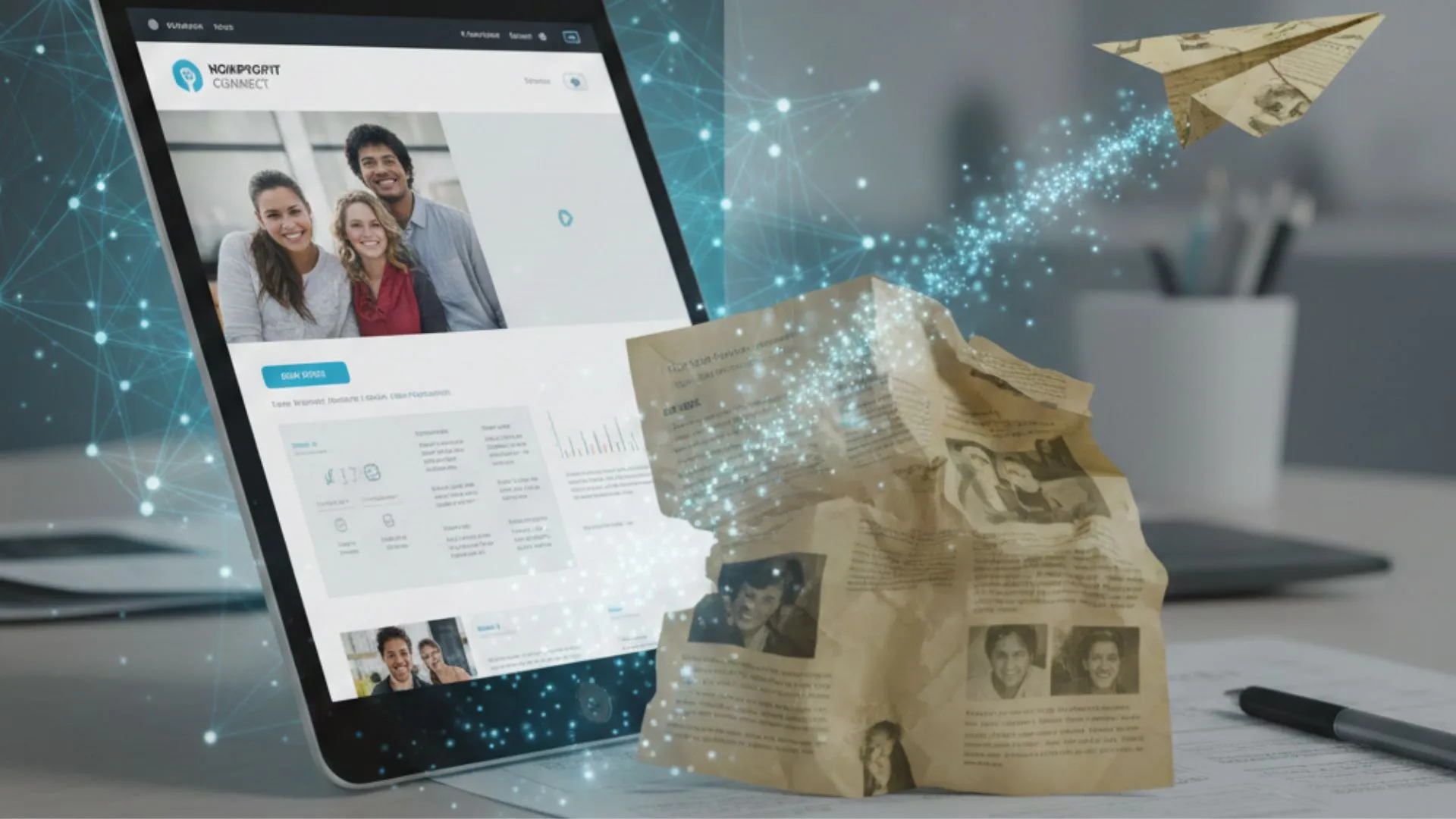
The Digital Heart of Your Mission: Nonprofit Website Design
For nonprofit organizations, website design can be a story-telling tool. Your digital presence may be the first interaction with donors, volunteers, and those seeking assistance. The best nonprofit website designs of 2026 include a seamless digital space for advocacy. Nonprofits are not like other corporate websites that sell products. They sell a vision for a better world. The best websites include elements to explain the why, for example, a mission statement, emotional photography, and a gift for a cause call to action.
Building Trust Through Design: Nonprofit UX Best Practices
Nonprofit organizations lack the luxury of time. Trust is the most valuable currency. Visitors are quick to lose trust in the site. Nonprofit UX best practices can help maintain trust and even encourage donations. Nonprofits are especially sensitive to user experience (UX) design practices. A “Human-First” design is user-centric (human-centric) – meaning it is designed based on the identified needs and preferences of the target audience. This design approach has an intuitive navigation structure. The design must also prioritize the varying needs of individual users. The needs of users must also be equitably prioritized. Navigations allow users to reach their NGOs (non-governmental organizations).
- Radical Transparency and Trust Signals: The 2026 donor audience is poised to become the most data-centric of any. As a result, data transparency is the most critical element of websites to meet the needs of this audience. Trust Signals are primary and secondary trust indicators. They are necessary. Outdated trust transparent data summaries of the organizational structure are no longer acceptable. These practice requests to outline costs of operational and seen internally of organizational structures (management systems of funding sources) are of no value and damaging to the user interface systems of systems of systems.
- Inclusive and Accessibility-Focused Design: Equal Accessibility to nonprofit websites is a non-negotiable. Everyone should be able to meet your mission. Website accessibility including screen reader accessibility, large clickable targets for navigation, site navigation, and screen navigation.
- Storytelling Over Statistics: Data is important, but stories motivate actions. Use success stories and case studies, and video testimonials to put some life into the statistics. They can create empathy and will be a powerful tool. Use maps and timelines to show your impact. Having a dedicated “Our Impact” page uses these tools to drive home the results of your efforts in ways words can not.
| UX Element | Purpose | Impact on Advocacy |
| Impact Tracker | Real-time data visualization | Builds immediate credibility and urgency. |
| Simplified Navigation | Audience-based menus | Reduces “choice fatigue” for different user types. |
| Accessibility Tools | WCAG 2.1 compliance | Expands reach and demonstrates organizational values. |
| Visual Storytelling | High-impact media | Creates an emotional bond between the donor and the cause. |
Turning Compassion into Capital: Donation-Focused Web Design
Most nonprofit websites aim to capture support, and the donation-focused web design approach means that the “Donate” button is always one click away, no matter where the user is. For 2026 web design, this means more than collecting credit card information. Your donation welcome page should incorporate Apple and Google Pay, and even cryptocurrency payment options, to welcome the younger donors of this generation.
A successful digital strategy for a nonprofit also prioritizes the post donation experience. When a donation is completed, the website should encourage the next step, which can be a newsletter sign up, donation post, joining a monthly donors club, etc. Personalized thank you pages, post donation, and simplified donation checkouts turn a one time donor into a mission partner. Your website should channel people’s efforts to help, into immediate, real impact on the field.