
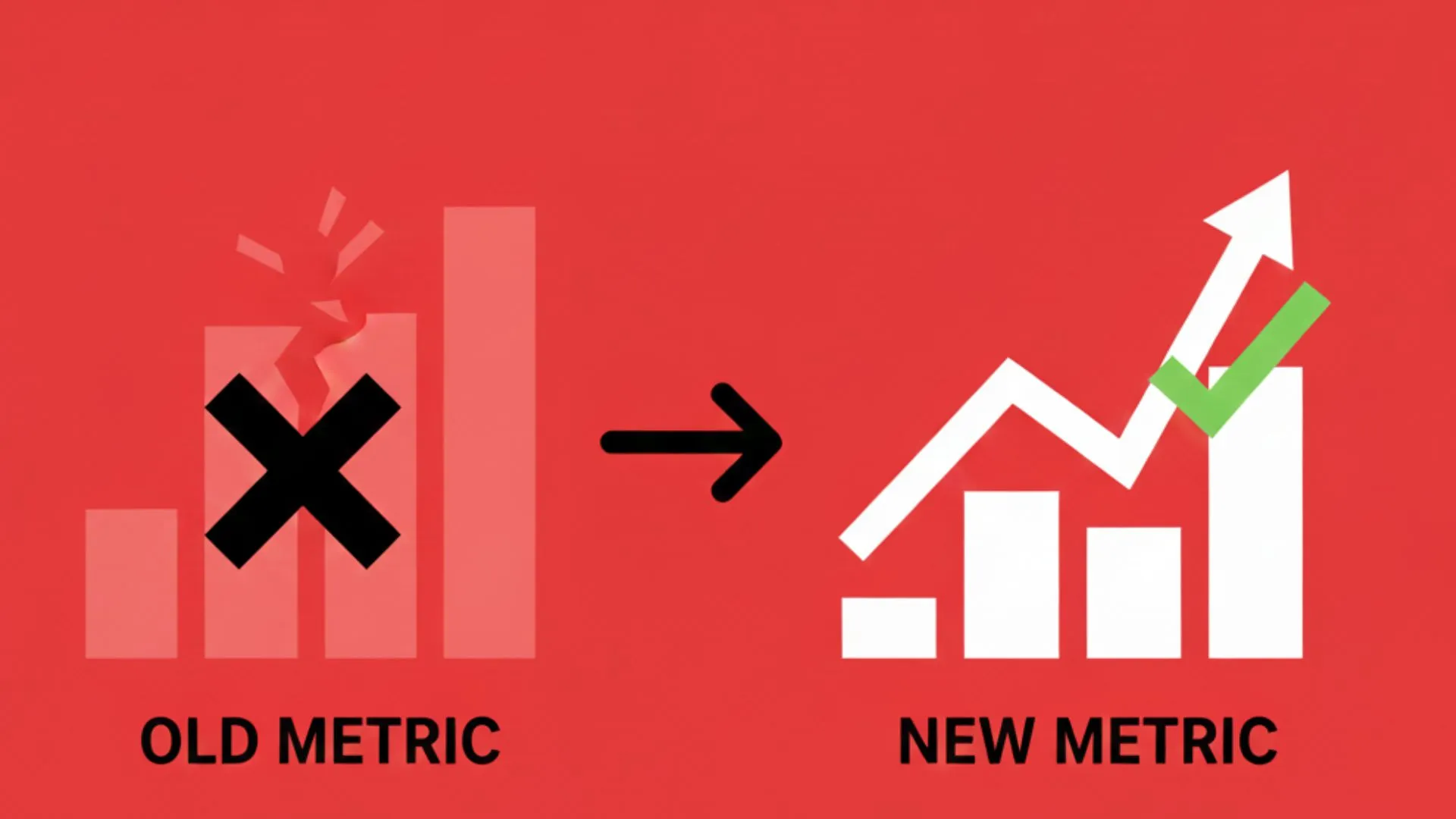
For a decade, ROAS sat at the “North Star” position for digital marketing. That attitude is now at a breaking point. In 2026, with increases to Google CPC and AI-driven “zero-click” search, it is time to rethink ROAS. ROAS focuses purely on top-line volume, which often encourages non-profitable behavior in the long term. A campaign might be deemed successful if it meets its budget by increasing revenue, but without regard for actual margins, this often results in high turnover with dangerously low profit.
The ROI vs ROAS Debate: A Profit-First Approach
The ROI vs ROAS debate has shifted from a theoretical discussion to a boardroom priority. For today’s CMOs managing digital spending, “incrementality” must be considered—did the spend actually trigger a purchase that otherwise would not have happened? To address this challenge, top brands are prioritizing POAS and MER.
New Brand Growth Metrics for 2026:
- POAS (Profit on Ad Spend): POAS factors in COGS, shipping, and transaction fees, which ROAS does not. It makes sure that every dollar spent on marketing goes to the bottom line.
- MER (Marketing Efficiency Ratio): Blended ROAS is the total revenue received divided by the total marketing spend across all channels. It is a holistic approach to understand brand-building and organic traffic interaction.
- iROAS (Incremental ROAS): A metric that determines “lift” using test/control groups to isolate the real impact of advertising in a real-time, AI-driven environment.
Connecting UAE Marketing KPIs with Financial Reality
In the Middle Eastern market, competition is fierce. This is why CFOs and CMOs are focusing on the relationship between “likes” and “liquidity.” There is a significant shift from platform silos to cross-platform marketing that is fully integrated with a company’s financial ledger.
| Metric | Focus Area | 2026 CMO Strategic Advantage |
| MER | Total Efficiency | Provides a “Blended” view to cut through attribution noise. |
| CAC Payback | Cash Flow | Determines how quickly acquisition costs are recovered. |
| Brand Sentiment | Equity Health | Uses AI to track long-term brand desirability and trust. |
| Share of Model | AI Visibility | Measures brand prominence in LLM and AI search results. |
The Ultimate Anchor: Customer Lifetime Value (CLV)
Because of the increasing cost of acquiring new customers, the most important metric for sustainable growth becomes customer lifetime value (CLV). Moving from a 30-day ROAS window to a multi-year CLV model allows CMOs to substantiate “expensive” top-of-funnel brand building. Brands can shift from a transactional mindset to a relationship-driven growth engine by understanding loyal customers can be worth 10x their initial purchase.
Conclusion
The shift from ROAS to more advanced growth metrics is not a fad; it’s a matter of survival in 2026. With a profit-first approach and a focus on customer lifetime value, CMOs can reclaim their role as the enterprise’s primary growth engine. When marketing is anchored to the balance sheet instead of a platform’s dashboard, it earns the sustained commitment required to build a brand for the ages.
Are your current metrics indicative of the actual narrative of your brand? A profit-first measurement framework is required for 2026. Reach out to RedBerries, your Dubai-based strategic Digital Marketing Agency, to assist you with the metrics you need to grow!